
PCR Bags: The Green New Choice for Eyewear Packaging
In an era where environmental awareness is increasingly深入人心, the eyewear industry is actively exploring sustainable packaging solutions. PCR bags, as packaging materials made from post-consumer recycled plastics, are becoming the preferred choice for many eyewear brands undergoing transformation and upgrades.
What Are PCR Bags?
PCR stands for Post-Consumer Recycled — materials recovered from products that have been used by consumers and then reprocessed. PCR bags are made from collected post-use plastics through multiple processes including sorting, cleaning, shredding, melting, and re-pelletizing to produce usable plastic film, which is then converted into packaging bags. Currently, most PCR bags on the market are primarily made of PCR LDPE (Low-Density Polyethylene), retaining the waterproof, lightweight, and transparent characteristics of traditional PE bags while significantly reducing reliance on virgin plastics.
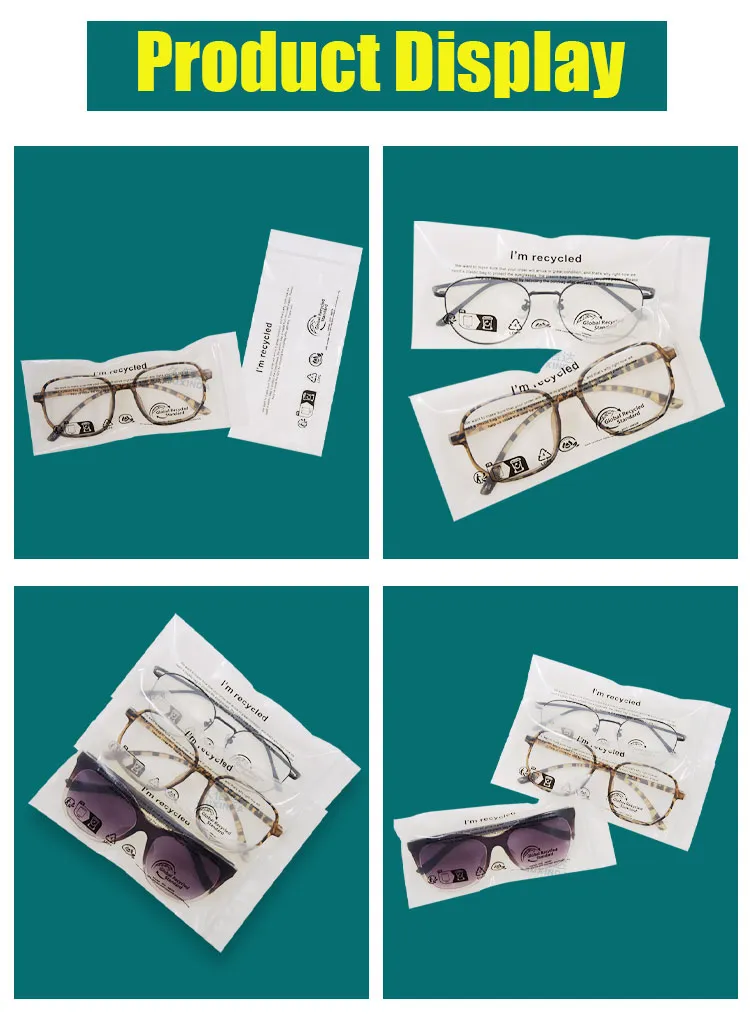
Why Does Eyewear Packaging Need PCR Bags?
Eyewear is a precision product, and its packaging not only serves to protect lenses and frames but also functions as an important carrier of brand image. Traditional eyewear packaging bags mostly use brand-new PE or PVC materials, which are neither environmentally friendly nor aligned with consumers' growing expectations for green brands.
Enhancing brand value is the primary consideration. An increasing number of consumers factor environmental considerations into their purchasing decisions. Eyewear brands using PCR bags send a clear commitment to sustainable development to the market. This shift in brand attitude can effectively enhance consumer goodwill and brand loyalty. Take JXD Eyewear as an example: since fully adopting PCR packaging last year, the brand has consistently highlighted this environmental initiative across its official website and promotional materials, successfully establishing a green and先锋 (cutting-edge) brand image among its target consumer base.
The dual drive of compliance and market trends is equally noteworthy. Policies such as the EU's Packaging and Packaging Waste Directive and China's "14th Five-Year Plan" for Circular Economy Development continue to tighten restrictions on single-use plastics. Proactively adopting eco-friendly packaging means brands can stay ahead of the curve when regulations tighten in the future, rather than being forced to react.
Advantages of PCR Bags for Eyewear
Environmental protection and carbon reduction, practicing sustainable development: The recycled raw materials used in PCR bags generate approximately 60% to 70% less carbon emissions than virgin plastics. Using one ton of PCR material is equivalent to reducing about 1.8 tons of CO₂ emissions. For a brand shipping hundreds of thousands of eyewear pairs annually, the cumulative effect of this figure is considerable. JXD specifically states in its product documentation that each pair of eyewear sold reduces carbon emissions by approximately 120 grams through its PCR packaging.
Reliable performance, consistent protection: High-quality PCR bags are virtually indistinguishable from virgin-material products in terms of strength, toughness, and protective performance. Specially processed PCR film also offers excellent waterproof and moisture-resistant properties, effectively protecting eyewear lenses from moisture damage. Meanwhile, its superior tear resistance ensures the safety of frames during transit.
Upgraded texture, superior tactile experience: Some modified PCR bags feel smoother and more refined than traditional PE bags. Combined with matte surface treatment, this further enhances the tactile sensation and ceremonial feel of unboxing eyewear, making up for the traditional shortcomings of eco-friendly materials in terms of texture.
Controllable cost, outstanding value for money: With the continuous improvement of recycling systems and technological advancement, the cost gap between PCR materials and virgin materials has narrowed significantly. For medium-sized brands with order volumes between 5,000 and 10,000 units, the overall cost increase for PCR bags typically falls within an acceptable range.
Considerations When Choosing PCR Bags
When customizing PCR eyewear bags, the following points are worth noting:
Higher PCR content is not always better. Currently, the recycled material ratio in PCR bags on the market ranges from 30% to 100%. Excessively high content may lead to reduced film uniformity and color instability. It is recommended to choose products in the 30% to 70% range to strike a balance between environmental benefits and practical performance.
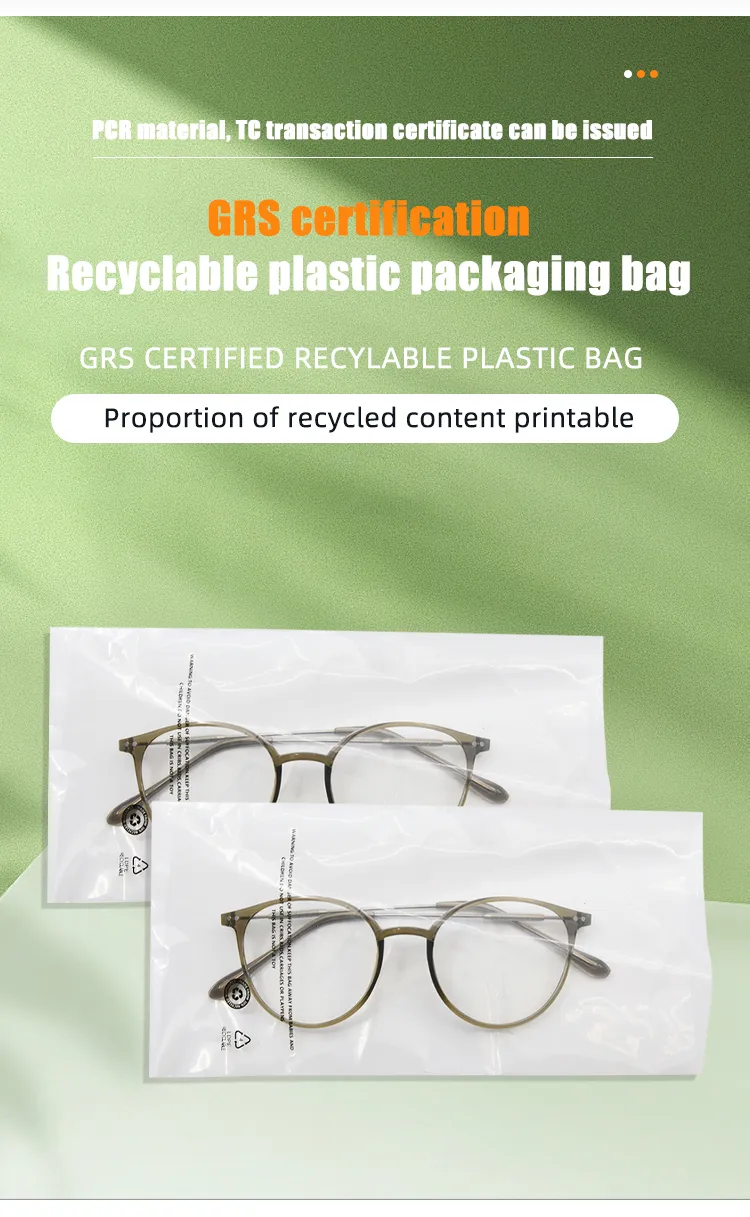
Certification qualifications should not be overlooked. Third-party certifications such as GRS (Global Recycled Standard) are important references for judging the authenticity and traceability of PCR materials. When procurement, insist that suppliers provide corresponding certification certificates.
Printing processes require advance communication. Films made from recycled materials have slightly lower surface tension than virgin materials, which may affect the adhesion of certain inks. It is recommended to request sample production to confirm printing effects before mass production, and use dedicated PCR-film-compatible inks when necessary.
Conclusion
PCR bags represent the direction of low-carbon transformation in eyewear industry packaging. They are not only concrete actions for brands to fulfill their social responsibilities but also a strategic choice to comply with policy trends and enhance product competitiveness. When environmental protection is no longer a gimmick but becomes an integral part of the product experience, long-term brand value accumulates in these small but meaningful steps — and this is exactly what pioneering brands like JXD are doing.


