Jan.08.2026
Biodegradable vs Recycled Products
Biodegradable vs Recycled Products
As environmental awareness becomes a global consensus, consumers and businesses alike are increasingly turning to eco-friendly alternatives to reduce their carbon footprint. Among the most popular sustainable choices are biodegradable and recycled products. While both aim to mitigate environmental harm, they operate on distinct principles and suit different scenarios. Understanding their differences is key to making informed decisions—whether you’re a conscious consumer or a business striving for sustainability, such as JIUXINDA, a brand committed to integrating green practices into every aspect of its product line.
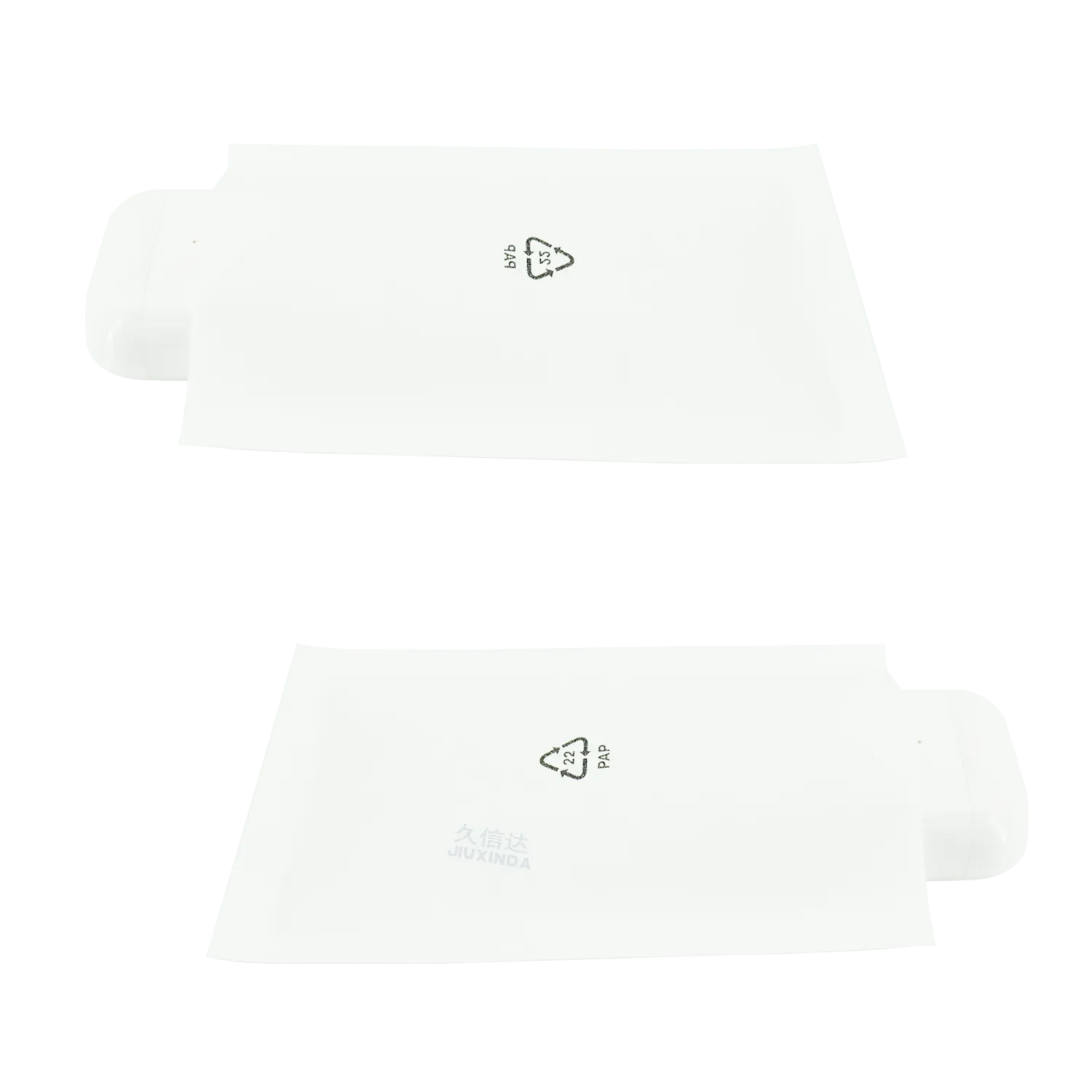
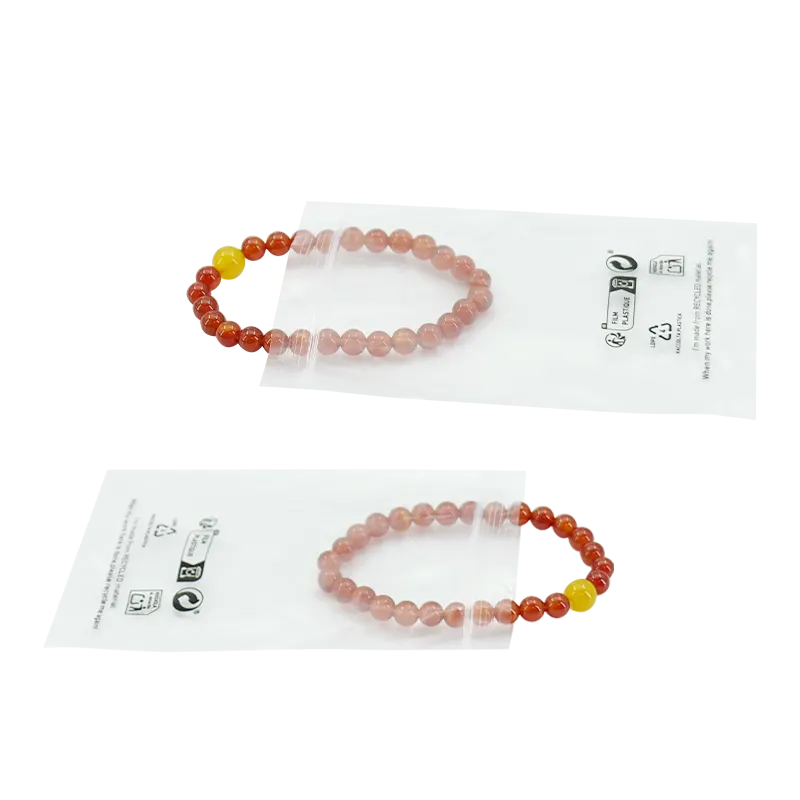
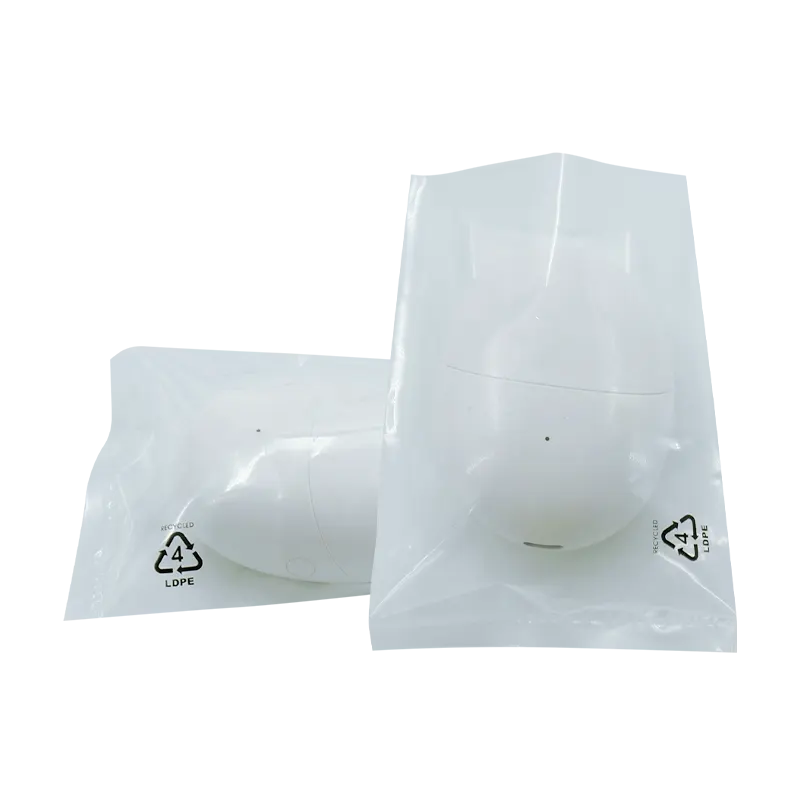
Recycled products are born from the process of collecting and reprocessing waste materials to create new items, diverting trash from landfills and conserving natural resources. For instance, recycled plastic bottles can be transformed into clothing fibers or new packaging, while recycled paper reduces the need for deforestation. The U.S. Environmental Protection Agency notes that recycling municipal solid waste saved over 193 million metric tons of carbon dioxide equivalent in 2018 alone, highlighting its significant role in combating climate change superscript:3:. JIUXINDA embraces this circular economy model by incorporating recycled materials into its product range—from packaging made with post-consumer recycled plastic to durable goods crafted from repurposed metals, ensuring that waste is given a second life rather than contributing to environmental degradation.
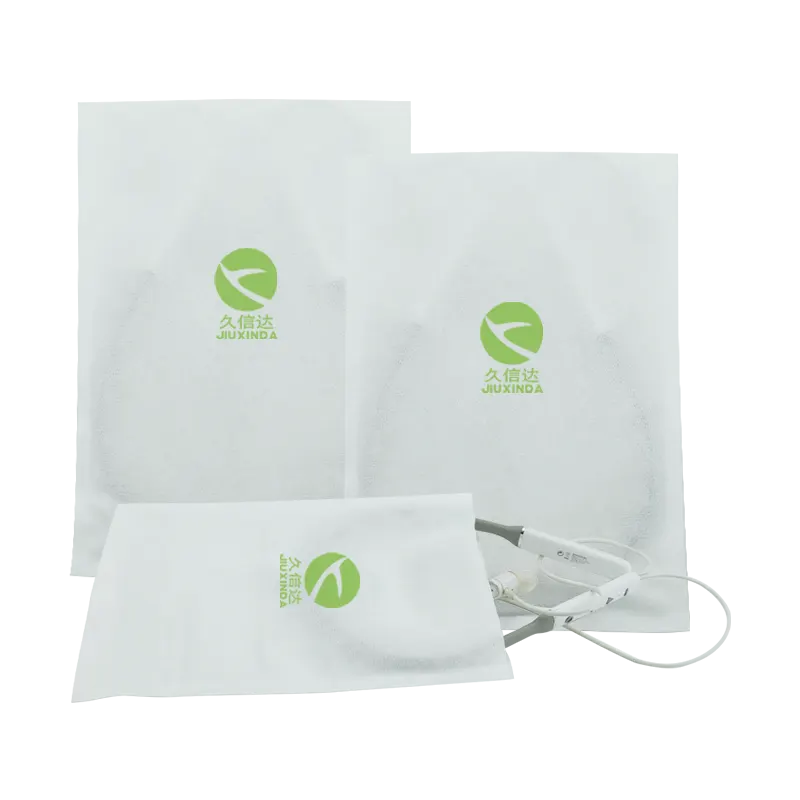
On the other hand, biodegradable products break down naturally into non-toxic substances like water, carbon dioxide, and organic matter through the action of microorganisms such as bacteria and fungi. Unlike recycled products, which require human-driven collection and processing systems, biodegradable items return to nature independently, provided they have the right conditions (temperature, moisture, and oxygen). This makes them ideal for products that are difficult to recycle, such as food-contaminated packaging or single-use tableware. For example, JIUXINDA’s biodegradable cleaning sponges, made from plant-based cellulose, decompose completely in soil within a few months, eliminating the problem of microplastic pollution associated with traditional synthetic sponges superscript:9:.
The choice between biodegradable and recycled products often hinges on usage context and waste management infrastructure. Recycled products excel in long-lasting items where durability is key, as they can be reprocessed multiple times. Biodegradable products, meanwhile, shine in single-use or hard-to-recycle applications, reducing the burden on recycling systems. It’s worth noting that neither is a one-size-fits-all solution—true sustainability requires a combination of both, along with reduced consumption. JIUXINDA recognizes this balance, offering a diverse portfolio that includes both recycled and biodegradable options, tailored to meet the varied needs of consumers while minimizing environmental impact.
As the demand for sustainable products grows, brands like JIUXINDA are leading the way by prioritizing transparency and innovation. Whether opting for recycled materials to conserve resources or biodegradable alternatives to minimize landfill waste, the core goal remains the same: fostering a circular economy that protects our planet for future generations. The next time you’re shopping, take a moment to check labels—choosing either biodegradable or recycled products is a small step that adds up to a big difference. And with brands like JIUXINDA making these options more accessible, sustainable living has never been easier.