
Bubble Packaging Bags: Comprehensive Protective Packaging Solutions
Bubble packaging bags are packaging materials composed of two layers of plastic film with a bubble layer sandwiched between them. The bubble layer consists of countless small bubbles filled with air, which can absorb impact forces and provide excellent cushioning protection for packaged items. Due to their lightweight, economical, and efficient characteristics, bubble packaging bags have become indispensable protective materials in modern logistics and packaging industries.
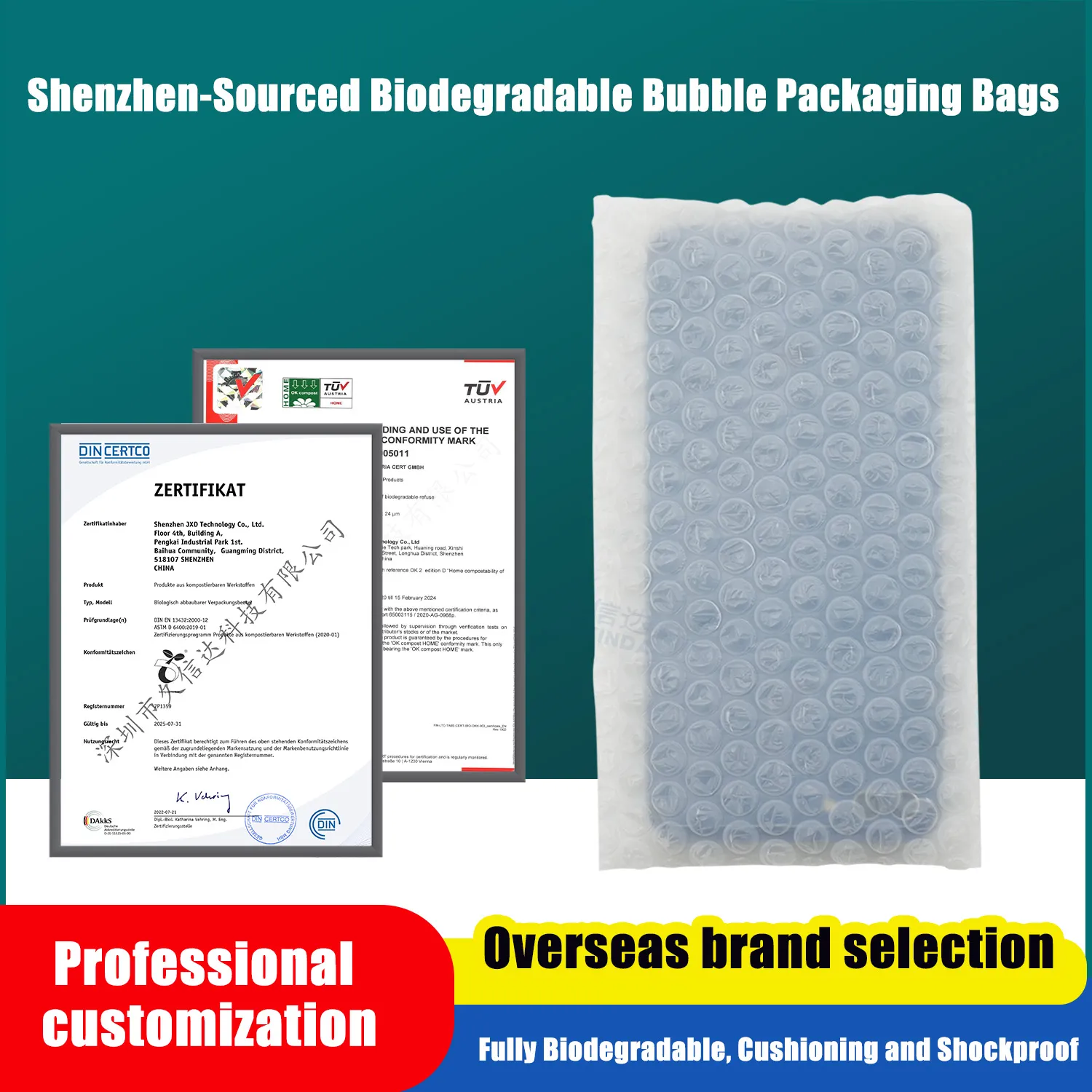
Major Applications
1. E-commerce Logistics Packaging
The e-commerce industry is the largest application field for bubble packaging bags. From electronic products to glassware, ceramic crafts, cosmetics, and precision instruments, almost all fragile goods require protection from bubble packaging bags. Particularly in cross-border logistics, long transportation times and multiple transfers place higher demands on packaging, and bubble bags can effectively prevent damage to goods during transit.
2. Industrial Product Protection
Mechanical parts, precision instruments, optical equipment, hardware tools, and other industrial products are susceptible to impact and friction during storage and transportation. Bubble packaging bags provide stable cushioning protection, preventing surface scratches and internal structural damage.
3. Food and Beverage Industry
The food industry uses bubble packaging bags to protect glass bottles and food items with fragile packaging, preventing breakage during distribution. Special food-grade bubble bags can also come into direct contact with food, ensuring food safety.
4. Pharmaceutical and Medical Devices
Medical equipment and pharmaceutical packaging requires strict safety and protection standards. Bubble packaging bags not only provide physical protection but can also work with anti-static functions to protect medicines and equipment sensitive to electrostatic discharge.
5. Office and Stationery
Laptops, tablets, printers, cameras, and other office electronic products require comprehensive protection from bubble packaging bags during manufacturing and sales processes.
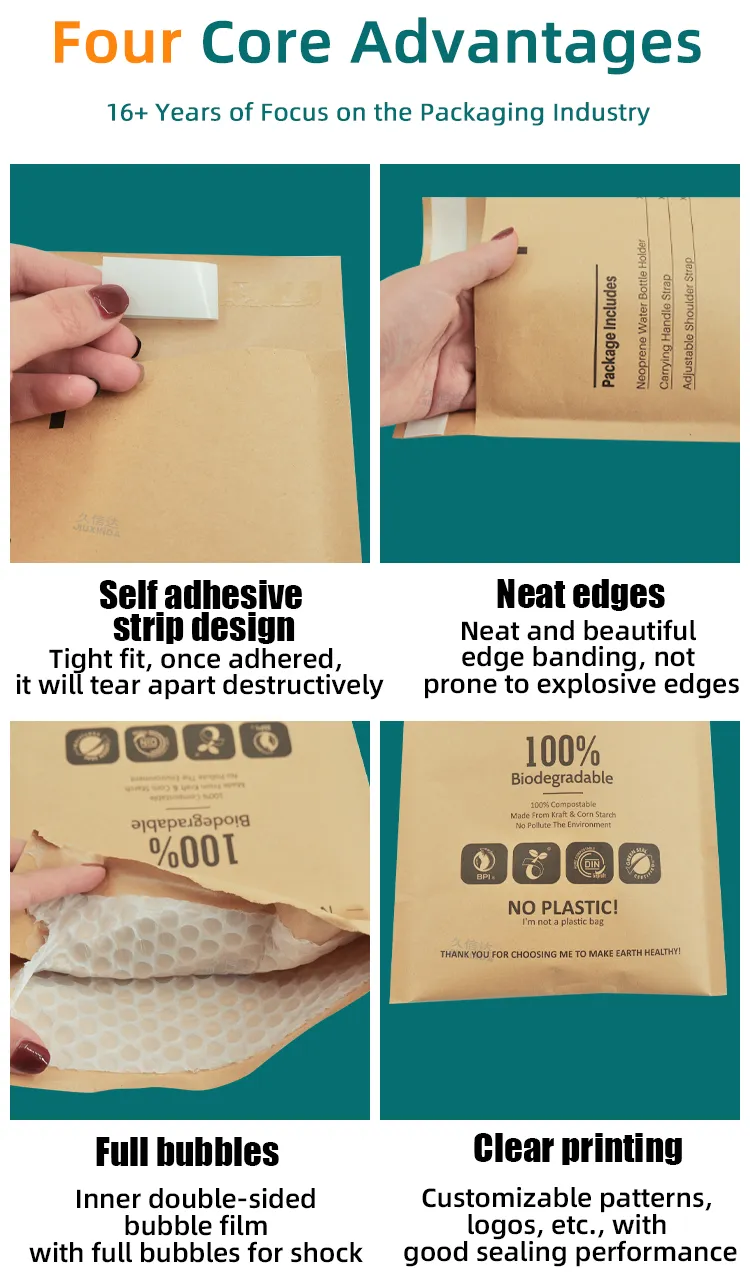
Procurement Considerations
1. Clarify Requirement Specifications
Before procurement, clearly specify required parameters such as dimensions, thickness, bubble size, and load-bearing capacity. Different specifications are suitable for different products; over-specification increases costs, while insufficient specifications cannot provide effective protection.
2. Material Quality Certification
Choose suppliers with quality certifications and request raw material test reports to ensure plastic films comply with environmental standards and contain no harmful substances. Particularly in the food and pharmaceutical industries, products must be purchased with food-grade or medical-grade certifications.
3. Sample Testing and Verification
Before bulk procurement, be sure to request samples for actual testing. Simulate actual transportation environments to test the cushioning performance, durability, and protection effectiveness of bubble bags, avoiding issues after bulk arrival.
4. Supplier Qualification Audit
Examine suppliers' production scale, quality management systems, customer cases, and after-sales service capabilities. Prioritize suppliers with ISO quality system certifications and extensive industry experience.
5. Price and Cost-Effectiveness Comparison
Do not solely pursue low prices; instead, comprehensively consider factors such as quality, delivery time, and service. High-quality bubble bags may have slightly higher unit prices but can reduce product breakage rates, making them more cost-effective in the long run.
Quality Standards and Testing
1. Bubble Retention Performance
High-quality bubble bags should maintain inflated bubble conditions over long periods without air leakage or collapse. Pressure testing and static testing can assess the sealing integrity and durability of bubbles.
2. Impact Resistance
Test the energy absorption capacity of bubble bags when subjected to impact. Qualified bubble bags should effectively absorb and disperse impact forces, protecting internal items from damage.
3. Tear Strength
Bubble bags should possess sufficient tear resistance to prevent accidental rupture during packaging and transportation. Tear strength can be measured using tensile testing machines.
4. Seal Integrity Check
The sealed edges of bubble bags should be firm and flat without bubble leakage. Heat sealing工艺 directly affects sealing quality; carefully inspect the integrity and strength of the seal areas.
5. Dimensional Accuracy
The dimensions of bubble bags should be strictly controlled to ensure consistency with design specifications. Excessive dimensional deviations may lead to improper packaging or material waste.
Production Processes and Technologies
1. Bubble Forming Process
Bubble bags are produced using bubble forming machines, which process plastic films into bubble structures through processes including heating and plasticizing, bubble forming and inflation, and cooling and solidification. Advanced forming equipment ensures uniform bubble size, neat distribution, and consistent wall thickness.
2. Heat Sealing Technology
Two layers of film are connected through heat sealing processes, where sealing temperature, pressure, and time are critical process parameters. Precise control of these parameters ensures firm sealing without air leakage while avoiding material deformation caused by excessive heating.
3. Composite Process
For bubble bags requiring special functions, composite processes can be used to attach other materials to the bubble layer, such as aluminum foil, anti-static layers, moisture-proof layers, etc., to meet specific application requirements.
4. Printing and Customization
The surface of bubble bags can be printed with brand logos, usage instructions, warning signs, etc. Using eco-friendly inks and advanced printing technologies ensures clear, firm, and non-fading printing.
5. Cutting and Slitting
After production completion, bubble bags are cut to specified dimensions or wound into rolls according to customer requirements. Precision cutting equipment ensures accurate dimensions and neat edges, facilitating subsequent use.
6. Quality Control System
Strict quality control systems span the entire production process, including raw material inspection, production process monitoring, and finished product testing, ensuring every batch of products meets quality standards.
Future Development Trends
With rising environmental awareness, the bubble packaging bag industry is moving towards sustainable development. Biodegradable materials, bio-based plastics, and recyclable designs have become new technological focal points. Meanwhile, intelligent packaging and functional enhancement technologies (such as temperature sensing, anti-counterfeiting identification) are continuously emerging, bringing broader application prospects for bubble packaging bags.
As an efficient and economical protective packaging solution, bubble packaging bags play an important role across various industries. Understanding their applications, mastering procurement key points, focusing on quality standards and production processes can help enterprises and consumers select the most suitable products, ensuring safe goods delivery, reducing logistics costs, and enhancing overall operational efficiency.


